What Is The Weight Limit For Bryce Canyon Horseback Riding?
No operator at Bryce Canyon publishes a weight limit in its listing. Here is what the park service and the ride operators actually state, how to check before you book, and what each ride costs.
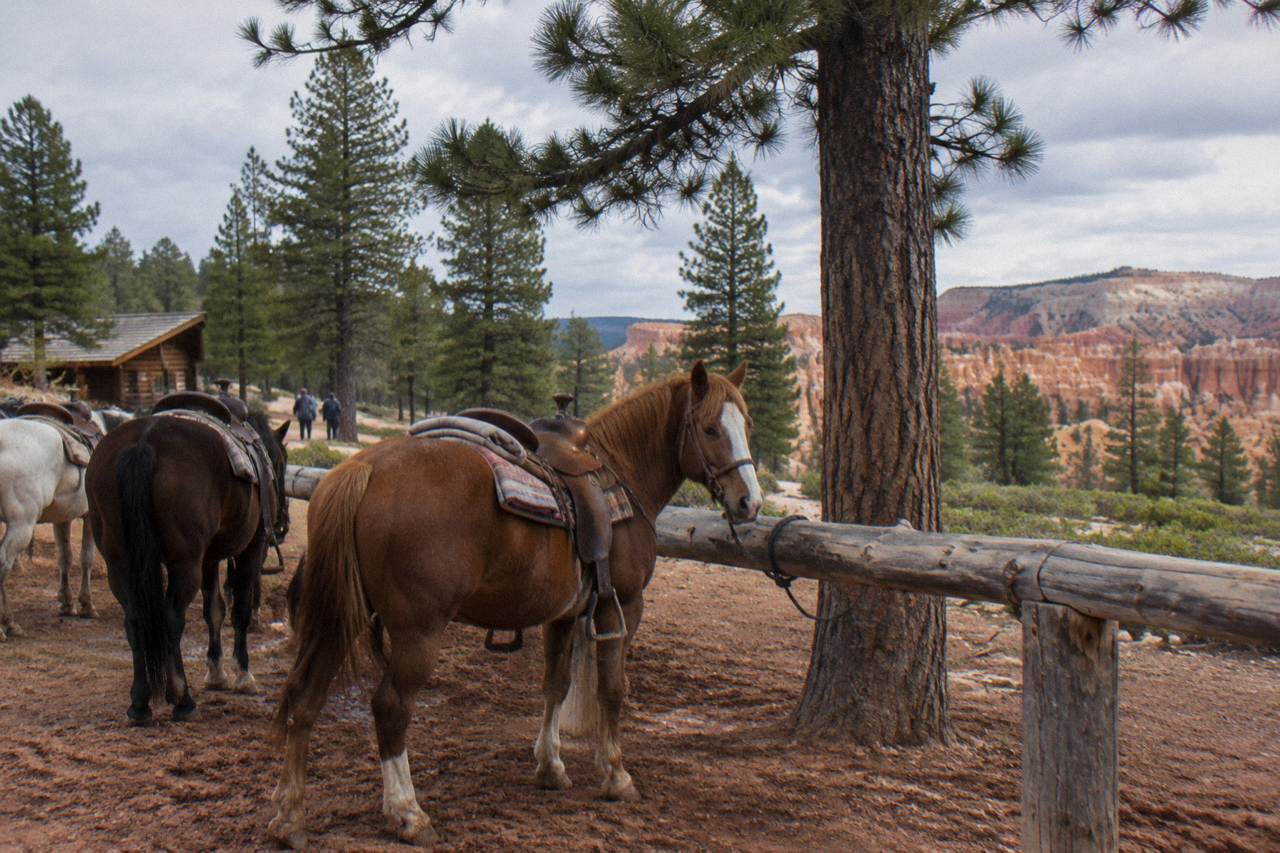
Neither horseback riding operator at Bryce Canyon publishes a rider weight limit in its listing. Neither the in-park concessioner Canyon Trail Rides nor the Red Canyon operator departing Bryce Canyon City states a number in its listing, its fresh seasonal pages or the park service materials. The honest answer is to contact the operator directly before booking and ask. Trail riding outfits across the American West commonly set limits, and many use a rider-to-horse weight ratio rather than a flat figure, but printing a number here without a source would be a guess. This article sticks to what is actually stated, explains why the limit question matters more at 8,000 feet than at sea level, and gives you the exact questions to ask.
That direct answer surprises a lot of planners, because weight limit questions are usually the first thing a search result answers with a confident figure. At Bryce Canyon the confidence would be false. The two rides you can actually book in this area, the concessioner's guided rides into the Amphitheater and the three hour Red Canyon ride from Bryce Canyon City, both leave the limit unstated in the materials available, which means the answer lives with the person assigning you a horse.
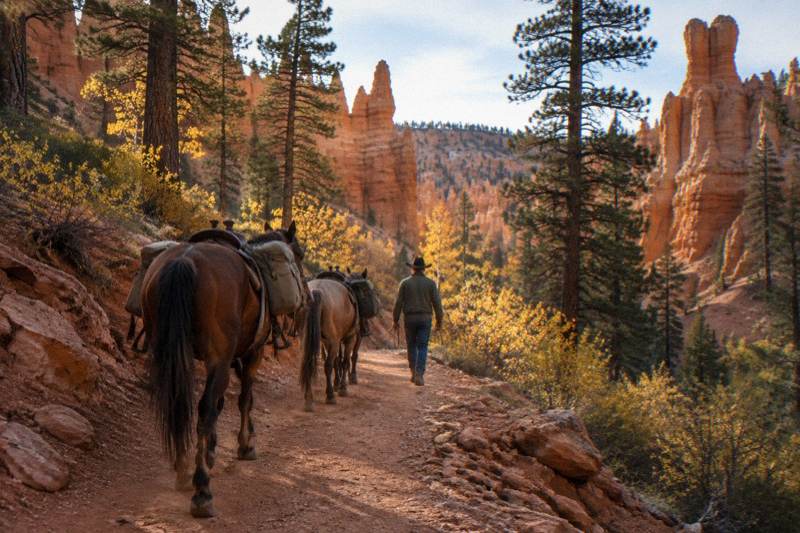
The distinction between the two rides matters for more than price. The concessioner operates inside the national park under a park service concession contract, on a dedicated horse trail and the Peekaboo Loop. The other ride runs entirely outside the park, through Red Canyon and Losee Canyon in Dixie National Forest, on forest service land with hoodoos of its own. Different land, different horses, different tack, and quite possibly a different answer when you ask about weight.
For trip planning, treat the weight question as a booking step, not a research step. You will get a firm answer in one phone call or one message to the operator, and you will get it from the outfit that actually has to balance you on a specific animal. Everything else in this longread, prices, inclusions, seasons, alternatives and the altitude factor, is verified from the listings and park service pages so you can make the rest of the decision before that call.
Which Horseback Rides Can You Actually Book At Bryce Canyon?
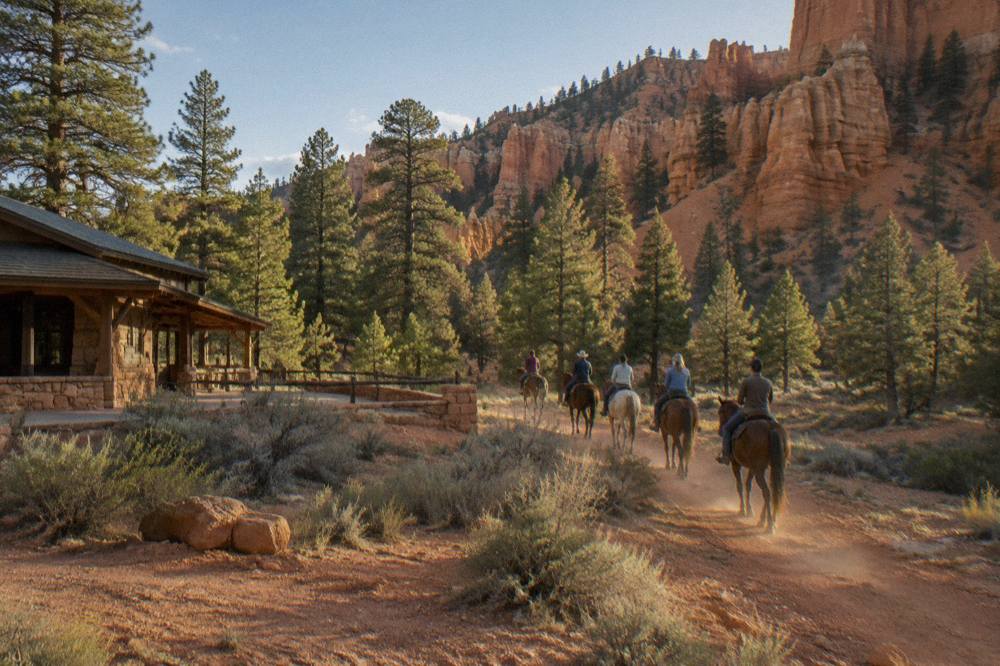
Two operators serve the Bryce Canyon area. Canyon Trail Rides, the park concessioner, runs 2-hour and 3-hour guided horse and mule rides into the Bryce Amphitheater along a dedicated horse trail and the Peekaboo Loop, typically April through October 31. Rubys Inn Adventures runs a 3-hour guided ride from Bryce Canyon City through Red Canyon and Losee Canyon in Dixie National Forest, from $130 per person. Neither listing states a weight limit, which is the pattern across both. The concessioner books through its own site, with a phone number for rides within seven days, while the Red Canyon ride books through its live listing with free cancellation listed.
The concessioner relationship is worth understanding because it shapes what the in-park ride can and cannot do. The park service page on horseback riding at Bryce Canyon names Canyon Trail Rides as the concessioner and describes the two ride lengths, and it notes that private stock reservations have been handled through Recreation.gov since April 1, 2024, with no overnight pack trips offered. That is the full extent of what the official page commits to: an operator, ride lengths, a season and a booking route. No rider limits, no age minimums, no height rules. Anything beyond that has to come from the concessioner itself, which is exactly why this article keeps pointing you to the operator rather than a number.
The Red Canyon ride, by contrast, is a product of the surrounding Dixie National Forest rather than the national park. Its listing describes a three hour ride through Red Canyon and Losee Canyon departing Bryce Canyon City, and states its inclusions plainly: a trail horse with saddle, saddlebags for small personal items, a knowledgeable guide, basic horse maneuvering instruction and a water bottle. Gratuities are excluded. It carries 252 reviews at 4.7 on the live listing, a pool large enough to quote honestly, and free cancellation is listed. As with the concessioner, no weight figure appears anywhere in the listing text, so the same rule applies: ask before you pay.
Here is how the bookable options stack up side by side, including the in-park figures the park service states and the listing facts for the outside-the-park ride:
| Ride | Operator | Where it runs | Duration | Price | Reviews |
|---|---|---|---|---|---|
| Guided ride into the Amphitheater | Canyon Trail Rides | Inside the park, dedicated horse trail and Peekaboo Loop | 2-hour and 3-hour options | Not stated in park service materials, check with the concessioner | Not stated |
| Horseback Riding Tour in Red Canyon | Rubys Inn Adventures | Red Canyon and Losee Canyon, Dixie National Forest | 3 hours | From $130 per person | 252 reviews at 4.7 |
| Private stock ride (your own horse) | Self-arranged, Recreation.gov reservation | Park horse trails | Your choice | Reservation required since April 2024 | Not applicable |
If a weight answer changes which ride you book, ask both operators the same question in the same words, because a limit that rules you out on a small trail string might not apply on a string of larger mountain horses. For a fuller comparison of the riding scene, the guide to Bryce Canyon horseback rides breaks down every option including private stock.
Why Do Weight Limits Exist On Trail Rides At All?
Weight limits protect the horse, not the rider. A horse carrying a heavy rider over steep, rocky terrain at high altitude works hard, and most outfitters cap rider weight somewhere in the range of 200 to 300 pounds, often as a ratio of rider to horse weight, sometimes with a stricter figure for smaller animals. Those general industry figures are context, not a Bryce Canyon fact, and no operator here has published a number. The reason the question matters at Bryce specifically is the terrain and the elevation: rides here descend into and climb out of a canyon, on trails that the park service describes as starting with a descent so every return is uphill.
The welfare logic is straightforward. A trail horse in the Amphitheater carries a rider, a saddle and tack up a grade at 8,000 feet, where the park service notes effective oxygen is about 75 percent of sea level. The animal is doing that work on less air than a valley horse would get, several times a day, through a season that runs spring to late October. Outfitters manage that load through horse selection, ride pacing and, routinely, a rider weight rule. When a listing omits the rule, it is usually because the answer depends on which horse you draw, and the wrangler makes that call on the day.
There is a second, quieter reason limits exist: tack and mounting. Western saddles are built for a range of riders, and mounting a horse from the ground puts a brief, sharp load on its back and the saddle tree. Outfitters with heavier riders often use mounting blocks, wider saddles or larger horses, all of which is stock and equipment planning the operator does in advance. That is precisely why a message before booking is better than a surprise at the trailhead: it lets the stable assign the right animal rather than turn a paid guest away.
Honesty cuts both ways here. This site will not print a limit that no source states, and a reader who takes an invented figure from anywhere as fact risks being declined on the day anyway. The verified answer is short: the limit exists as an operator policy, the operator has not published it, so the operator is the source. Ask plainly, give your actual weight, and ask whether the answer differs between their horses, because it often does.
How Should You Check Your Ride's Weight Limit Before Booking?
Contact the operator directly, state your accurate weight, and ask three questions: is there a flat limit, does it vary by horse, and is it enforced at check-in. For the concessioner, the park service lists booking through the Canyon Trail Rides site with a phone line for rides within seven days. For the Red Canyon ride, the listing's booking page carries a free cancellation policy, so asking costs you nothing. Do this before you build an itinerary around the ride, not the morning of.**
The reason for the accuracy point is practical. Riders sometimes shade their weight down out of embarrassment, and stables know it, which is why some weigh riders on a scale at check-in. A figure that was fine on the phone becomes a refund negotiation at the trailhead. Give the real number, and if you are booking for a family, get everyone's answer in the same conversation so the stable can plan the string for your whole group.
Timing matters as much as the question. The concessioner's rides typically run April through October 31, weather permitting, and the park service route for bookings within seven days is a phone call, which tells you late season availability is handled by humans rather than a calendar. The Red Canyon ride lists free cancellation, so the low risk sequence is to book the date, message the operator with your details immediately, and cancel without penalty if the answer does not work. That order beats the reverse.
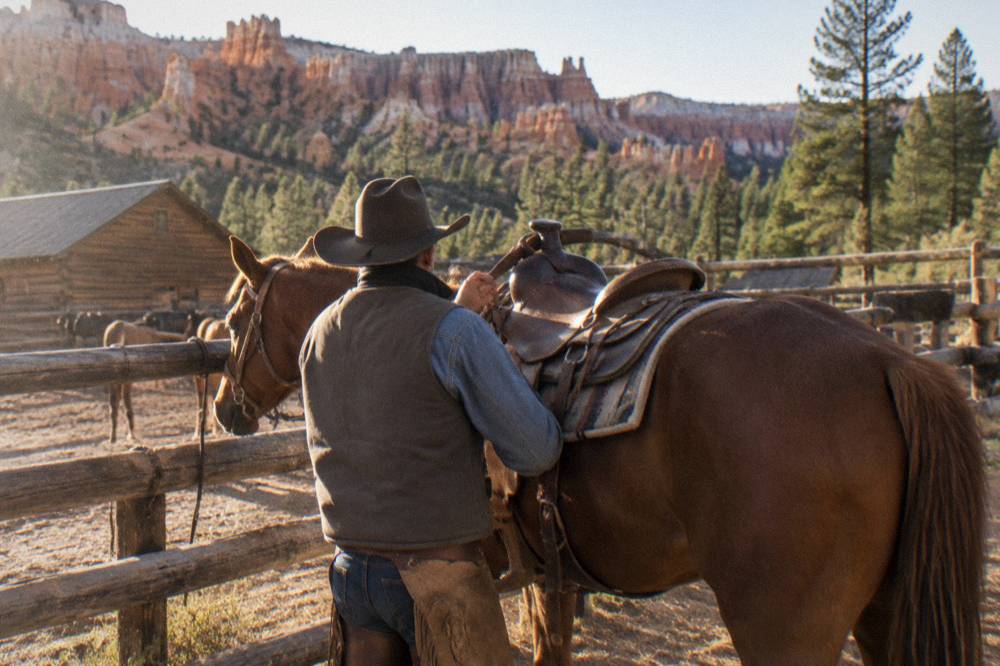
Here is the checklist that covers every question worth asking, with why each one matters:
| Question to ask | Why it matters | Who to ask |
|---|---|---|
| Is there a rider weight limit, and what is it? | No listing or official page states one, so only the operator can answer | Operator, before booking |
| Does the limit vary by horse? | Stables often assign larger horses to heavier riders if they know in advance | Operator, before booking |
| Is there a minimum age or rider fitness rule? | Not stated in the listings or park service pages, so confirm direct | Operator, before booking |
| What footwear and clothing do you require? | Closed shoes and long pants are typical trail standards, confirm rather than assume | Operator, before booking |
| What is your cancellation policy if I am declined on the day? | The Red Canyon ride lists free cancellation, confirm the terms of a trailhead refusal | The listing's policy section |
One planning note that is verified: horses in the park are limited to designated trails, and private riders have needed a Recreation.gov reservation since April 2024. If you were considering bringing your own horse partly to sidestep a commercial limit, read the rules for riding your own horse in Bryce Canyon first, because the reservation system and trail limits apply to you too.
Does High Altitude Change The Weight Question At Bryce Canyon?
Yes, in two verified ways. Bryce Canyon's elevations average about 8,000 feet and reach 9,115 feet, where effective oxygen is about 75 percent of sea level, and the park's trails start with a descent, so every ride out of the Amphitheater is uphill. Both facts load the horse harder than the same ride at low elevation, which is why outfitters here may enforce limits more strictly than valley stables. None of that changes the published answer, which remains: no figure is stated, ask the operator.**
The altitude fact comes straight from the park service's own FAQ and hiking pages, and it is worth internalizing for riders, not just horses. Visitors who live at sea level often feel the 8,000 foot plateau on the short walk from parking to the rim, and the park service advises day hikers to drink about one quart or liter of water every one to two hours. A three hour ride in a saddle at that elevation, in summer sun, asks the same of you that it asks of the animal. Riders who arrive hydrated and honest about their fitness simply get more out of the day.
For the horse, the physics is less negotiable. A climb out of the Amphitheater on the Peekaboo Loop is a sustained grade on a trail the park built specifically for stock use, at an elevation where the air holds a quarter less oxygen than the coast. Weight the animal carries, rider plus saddle plus saddlebags, is the single biggest variable the wrangler controls, which is exactly why weight policies tend to be firm and why the phone call before booking protects your money as much as the horse.
This is also where the choice between rides gets practical rather than aesthetic. The Red Canyon ride through Dixie National Forest covers different terrain than the in-park string, and a different trail profile can mean a different answer to the weight question. Ask both. The concessioner's ride has the Amphitheater hoodoos; the Red Canyon ride has its own red rock corridors and a listing that includes saddlebags, a water bottle and basic maneuvering instruction, small comforts that matter more than people expect on a three hour ride.
What If The Weight Limit Rules You Out?
If the weight limit rules you out, two verified alternatives in the same area carry no rider weight question at all: a 1-hour guided ATV and RZR ride from Bryce Canyon City from $145 per group of up to 2 (412 reviews, 4.7 rating) and a 3-hour small group Scenic Tour of Bryce Canyon from $84.81 per person (1,215 reviews, 4.9 rating), though only the scenic tour enters the park itself.
The ATV ride deserves honest framing, which this site applies to every product. Off-highway vehicles are prohibited on all roads and areas inside the national park, so the ride runs in Dixie National Forest and on private property with views of the Bryce Canyon rim, never inside the boundary. What you get for from $145 per group of up to two riders is a guided hour with helmets, goggles, instruction and the machine included, food and drinks excluded, and free cancellation listed. Its 412 reviews at 4.7 make it one of the larger review pools among the area's adventure products, and it is a genuine option when a saddle is not.
The scenic tour is the gentler pivot and the one that keeps you inside the park. Bryce Canyon Scenic Tours runs a 3-hour small group tour from Bryce Canyon City, from $84.81 per person, with bottled water and snacks included and the park admission fee excluded, so bring a pass or expect the standard entrance fee. The listing shows 1,215 reviews at 4.9, more than any other tour on this site, and free cancellation is listed. For a rider who cannot ride, it covers the overlooks, the guiding and the geology without asking anything about your weight.
A third path costs nothing: the Rim Trail and the park's ranger programs are free with admission, and the park service states that a half mile of Rim Trail between Sunset and Sunrise Points is wheelchair accessible. Bryce Amphitheater viewpoints sit in the first three miles of the main road, so even a short visit on foot reaches the scenery the rides were going to show you. The round-up of free things to do in Bryce Canyon lists what genuinely costs nothing, including ranger programs and fee-free days.
How Much Does Horseback Riding At Bryce Canyon Cost?
The only horseback ride with a firm price is the Red Canyon ride: from $130 per person for 3 hours, gratuities excluded, with free cancellation. The in-park concessioner's prices are not stated in the park service materials, so check with Canyon Trail Rides directly. The Red Canyon listing includes the horse with saddle, saddlebags, a guide, riding instruction and a water bottle, and carries 252 reviews at 4.7. Park entrance is separate from any tour price: a private vehicle is $35, and horses do not change that.**
Breaking the price into what is and is not included is where listings earn their keep. The Red Canyon listing is explicit: you get the trail horse with saddle, saddlebags for small personal items, a knowledgeable guide, basic maneuvering instruction and a water bottle, and you do not get gratuities, which are optional and customary. The ride departs Bryce Canyon City, meets at the listing's meeting point, and runs three hours. That is the complete verified picture, no more and no less.
For the in-park concessioner, the park service states ride lengths, the season window of roughly April through October 31, the booking route and the private stock rules, and stops there. Prices are simply not part of the official page. The right move is the same as the weight question: one contact with the concessioner answers both, and Bryce Canyon National Park Tours keeps its roster prices firm where the listing states them rather than estimating where it does not.
Here is the cost picture for the riding and the fallback products together, with entrance fee figures from the park service fees page:
| Item | Price | Notes |
|---|---|---|
| Red Canyon 3-hour guided ride | From $130 per person | Horse, saddle, saddlebags, guide, instruction, water included, gratuities excluded |
| Canyon Trail Rides 2-hour and 3-hour rides | Check with the concessioner | Not stated in park service materials |
| ATV/RZR guided 1-hour ride | From $145 per group of up to 2 | Runs outside the park in Dixie National Forest and private land |
| Scenic Tour of Bryce Canyon, 3 hours | From $84.81 per person | Park admission excluded, water and snacks included |
| Park entrance, private vehicle | $35 | Up to 15 passengers, 7 days, credit or debit only |
| Nonresident fee | $100 per person age 16 and over | Applies to non-US residents including those in commercial tour groups, unless pass covered |
The entrance fee line deserves one clarification because it confuses planners: the tour price and the park fee are separate things, and some listings include one while most do not. The Red Canyon ride does not enter the national park at all, so no park fee applies to it. If the weight limit pushes you to the scenic tour instead, that one does enter the park and lists admission as excluded. The park does not accept cash at fee stations, which is a small fact that has stranded more than one visitor.
Common Questions About Bryce Canyon Horseback Riding
What Is The Weight Limit For Bryce Canyon Horseback Riding?
No rider weight limit is published by the in-park concessioner Canyon Trail Rides or by the Red Canyon ride operator from Bryce Canyon City, in their listings or in park service materials. Contact the operator before booking, state your accurate weight, and ask whether the limit varies by horse.
Can You Ride Horses Inside Bryce Canyon National Park?
Yes. Canyon Trail Rides, the park concessioner, runs 2-hour and 3-hour guided horse and mule rides into the Bryce Amphitheater along a dedicated horse trail and the Peekaboo Loop, typically April through October 31, weather permitting. Book through the concessioner's own site, or by phone for rides within seven days.
How Much Does The Red Canyon Horseback Ride Cost?
The Bryce Canyon City Horseback Riding Tour in Red Canyon costs from $130 per person for a 3-hour guided ride through Red Canyon and Losee Canyon in Dixie National Forest. The listing includes the trail horse with saddle, saddlebags, a guide, basic riding instruction and a water bottle, excludes gratuities, and lists free cancellation.
Do You Need A Reservation To Bring Your Own Horse To Bryce Canyon?
Yes. Since April 1, 2024, private stock riders have needed a reservation through Recreation.gov, and overnight pack trips are not offered. Horses in the park are limited to designated trails, including the dedicated horse trail and the Peekaboo Loop.
What Can I Do Instead Of Horseback Riding At Bryce Canyon?
Verified alternatives include the 1-hour guided ATV and RZR ride from Bryce Canyon City, from $145 per group of up to 2, which runs outside the park in Dixie National Forest, and the 3-hour small group Scenic Tour of Bryce Canyon, from $84.81 per person, which does enter the park. The Rim Trail between Sunset and Sunrise Points and ranger programs are free with admission.
Does Altitude Affect Horseback Riding At Bryce Canyon?
It can. Elevations average about 8,000 feet and reach 9,115 feet, where effective oxygen is about 75 percent of sea level, and park trails start with a descent so every return leg is uphill. Riders should plan water the way hikers do, about one quart or liter every one to two hours of exertion.